 |
 |
|

CNC Linear Motion Systems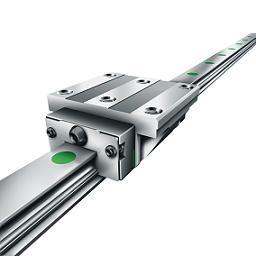
The linear motion system plays a vital role in any linear CNC machine, and CNC routers are no exception. Without these systems coupled with a drive system, a CNC router would be of little use. The LM system is responsible for three primary tasks. 1) Support Machine Components A LM system is composed of some type of linear bearing and the linear bearing guides. There are a number of types of bearings and guides, each with advantages and disadvantages. Because of the importance of this system, it is vital for a buyer a builder to be knowledgeable about the LM components. For the Buyer This holds true for mid-range to high-end models. . If you are buying hobby CNC routers or low end machines, it is still important for you to be able to identify quality systems. Some manufacturers do not specify what types of components are installed and you should know how to identify faulty systems.For those interested in buying a used system, you need to know what types of linear system are installed and be able to identify faults or at least know the right questions ask. It can cost $10,000 or more to replace a full set of linear bearings (depending on the system). If the system is older, the companies may no longer sell the parts. If you must replace a part you could be dead in the water. So it is important to be able to identify the components, know what faults to look for, and know whether or not the replacements are still in production. For the Builder This guide will go through the many options you have for linear systems. It will discuss advantages and disadvantages of each and also show you how to build your own if you so choose. It will also include information on how to mount rails, linear shafts, and much more, including money saving tips and tricks. If you have any questions regarding LM systems, dont hesitate to
contact us.
Sections  Linear Motion Systems Overview
 This Section covers: Categories of LM systems Rating and Terminology How LM systems work Etc. 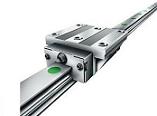 Rails and Guide Blocks
 This Section covers: How rails and guide blocks work Terminology Types and features Manufacturers Where to Buy and Buying Tips Etc. 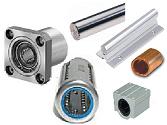 Rods and Bushings
 This Section covers: How rods and bushings work Supported and Unsupported shaft Shaft types and features Plain and ball bearing bushings Manufacturers Where to Buy and Buying Tips Etc. 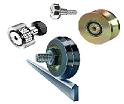 V-Groove Wheels and Track Rollers
 This Section covers: How V-groove wheels and track rollers work Types and features Manufacturers Where to Buy and Buying Tips Etc. 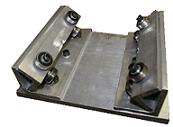 Homemade Linear Motion Systems
 This Section covers: Homemade LM systems overview Skate bearing systems Plain Bearing systems Linear Surfaces Mounting Linear bearing rails Linear Rods Other Linear Bearing Systems Etc. The Builder's Guide Step 6 |
The Builder's Guide
 Calculators
 CNC Controllers
 |
|
|
[?] Subscribe To This Site
Page Missing?Please bare with us as we upload pages. The website is still under contruction and new content is being added. To see the most recent pages, visit the website blog. Thank you! |
||
|
|
Homepage |
Buyer's Guide |
Builder's Guide |
Contact Us|
© Copyright 2007-2011. |
||
|
|
||


